



No-shows are one of the most frustrating and costly problems veterinary clinics face. An empty exam room means lost revenue, disrupted schedules, and, most importantly, a pet that didn’t receive the care it needed. Studies in human healthcare suggest appointment no-show rates can run as high as 30%, and veterinary practices are no exception.
The good news? The right communication, delivered at the right time, dramatically reduces the odds that a client will simply not show up. This guide gives you practical, word-for-word scripts your front desk team can use across every stage of the client journey, from the first booking to day-of reminders.
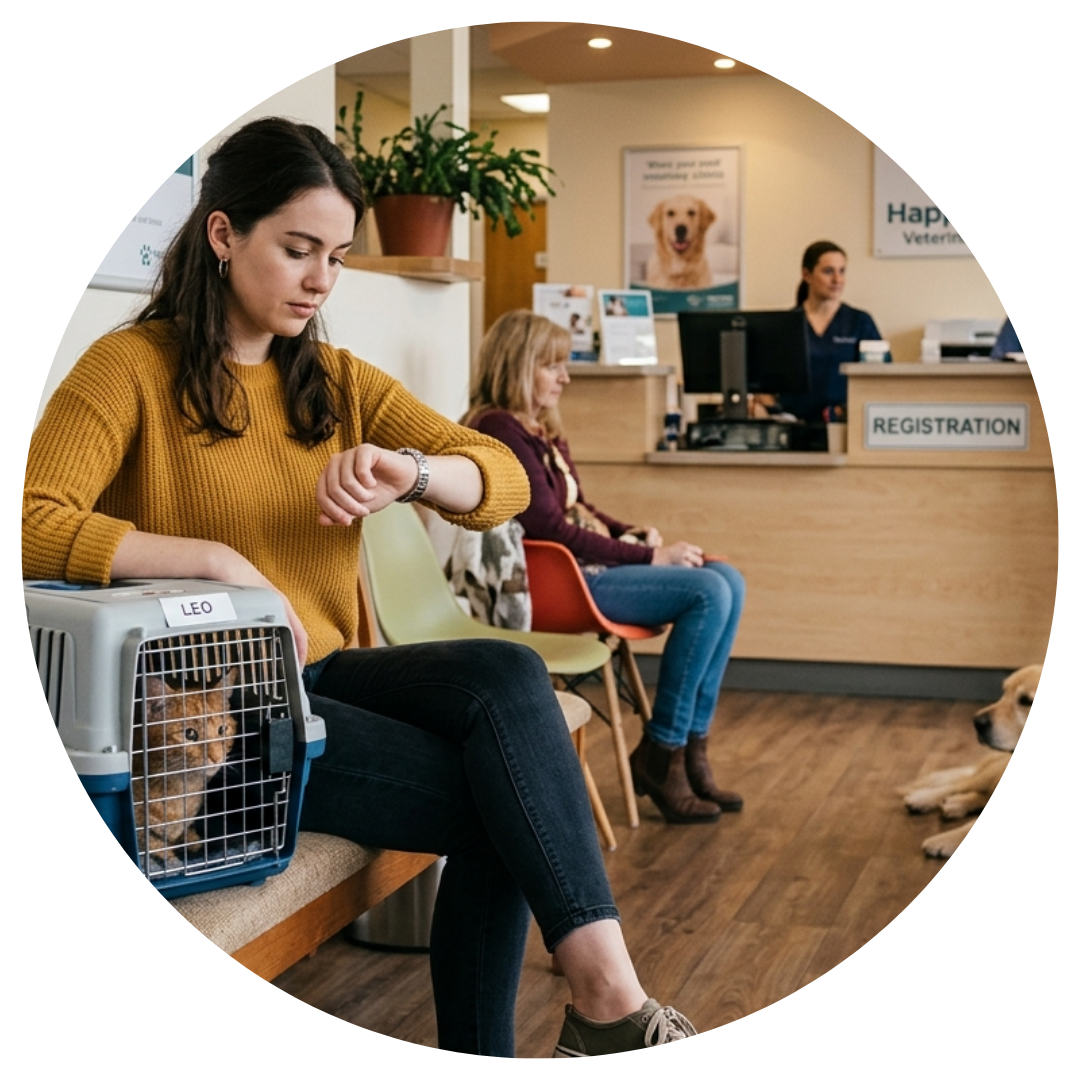
Before we get to the scripts, helps to understand what’s really going on. Clients don’t usually skip appointments out of carelessness. Common reasons include:
Great communication scripts address every one of these barriers, not just the logistical ones. They create connection, reinforce urgency, and make it easy for clients to reschedule rather than quietly disappear.
Think of no-show prevention as a layered system. Each touchpoint builds on the last, and each uses a slightly different channel and tone.

The moment an appointment is made, whether by phone, online, or in-person, is your first opportunity to anchor the commitment. Keep it warm and specific.
Phone Booking Script
| “Perfect, I’ve got [Pet’s Name] booked with Dr. [Name], on [Day], [Date] at [Time]. You’ll receive a confirmation text shortly. Reply YES to confirm. Is there anything about [Pet’s Name] you’d like us to know before the visit?” |
*PRO TIP*
Ending with a question about the pet instantly shifts the client’s mindset from logistics to their animal’s wellbeing, making the appointment feel more real and important.

Send an automated text or email within 24 hours of booking. This is not the reminder, it’s the confirmation. Research shows that a two-step process (confirm, then remind) outperforms a single reminder alone.
Text / Email Confirmation
| “Hi [Client Name]! This is [Clinic Name] confirming your appointment for [Pet’s Name] on [Day], [Date] at [Time] with Dr. [Name]. Reply YES to confirm or RESCHEDULE if you need a different time. We look forward to seeing [Pet’s Name]! |
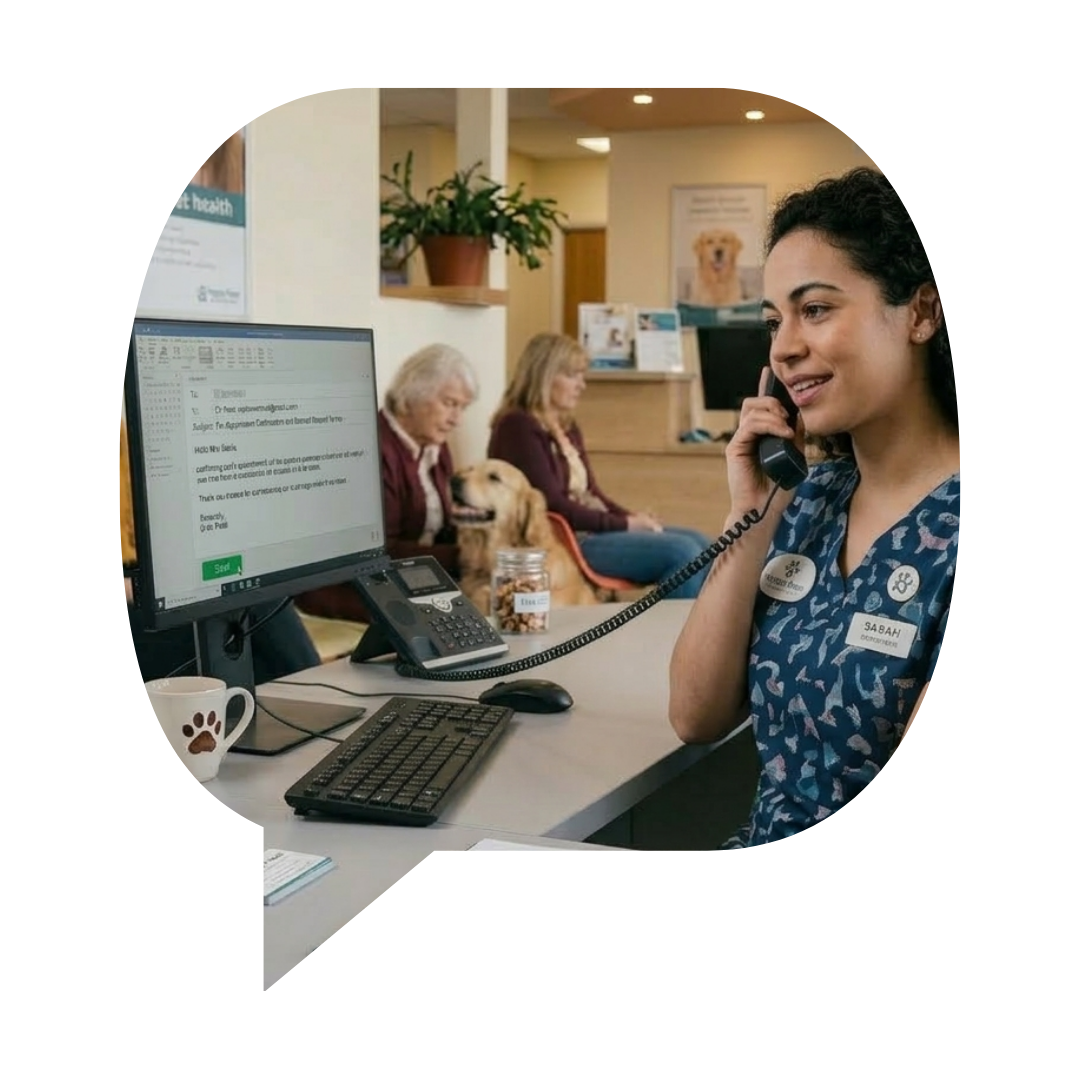
Forty-eight hours out is the sweet spot for reminders. It’s close enough to feel urgent but far enough to reschedule if needed. For high-value appointments (surgeries, wellness exams, dental cleanings), a personal phone call from a team member makes a significant difference.
48-Hour Phone Reminder Script
| “Hi [Client Name], this is [Staff Name] calling from [Clinic Name]. I’m reaching out to confirm [Pet’s Name]’s appointment with Dr. [Name] this [Day] at [Time]. Is there anything you’d like us to prepare, or do you have any questions before you come in?” |
48-Hour Text Reminder
| “Hi [Client Name], this is [Staff Name] calling from [Clinic Name]. I’m reaching out to confirm [Pet’s Name]’s appointment with Dr. [Name] this [Day] at [Time]. Reply YES to confirm or call us at [Phone Number] to reschedule. We’re looking forward to seeing them! |
*PRO TIP*
Personalizing with the pet’s name, not just the client’s, increases response rates. Clients are more emotionally connected to their pet’s wellbeing than to their own calendar commitments.
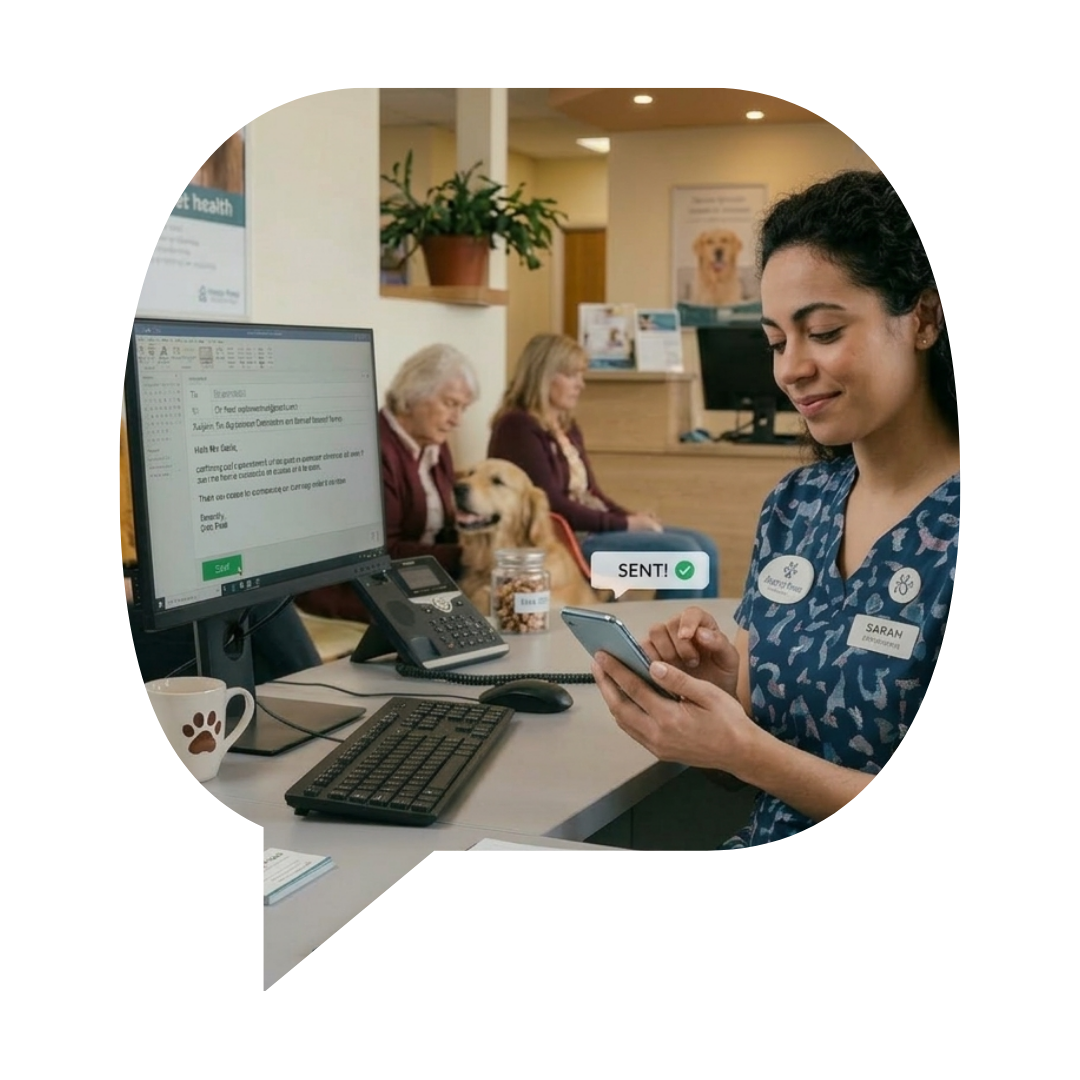
A brief evening text the night before is low-effort but high-impact. Keep it short, friendly, and action-oriented
Day-Before Text
| “A friendly reminder that [Pet’s Name] has an appointment tomorrow at [Time] at [Clinic Name]. See you soon! If anything comes up, call us at [Phone Number] – we’re happy to find another time that works.“ |
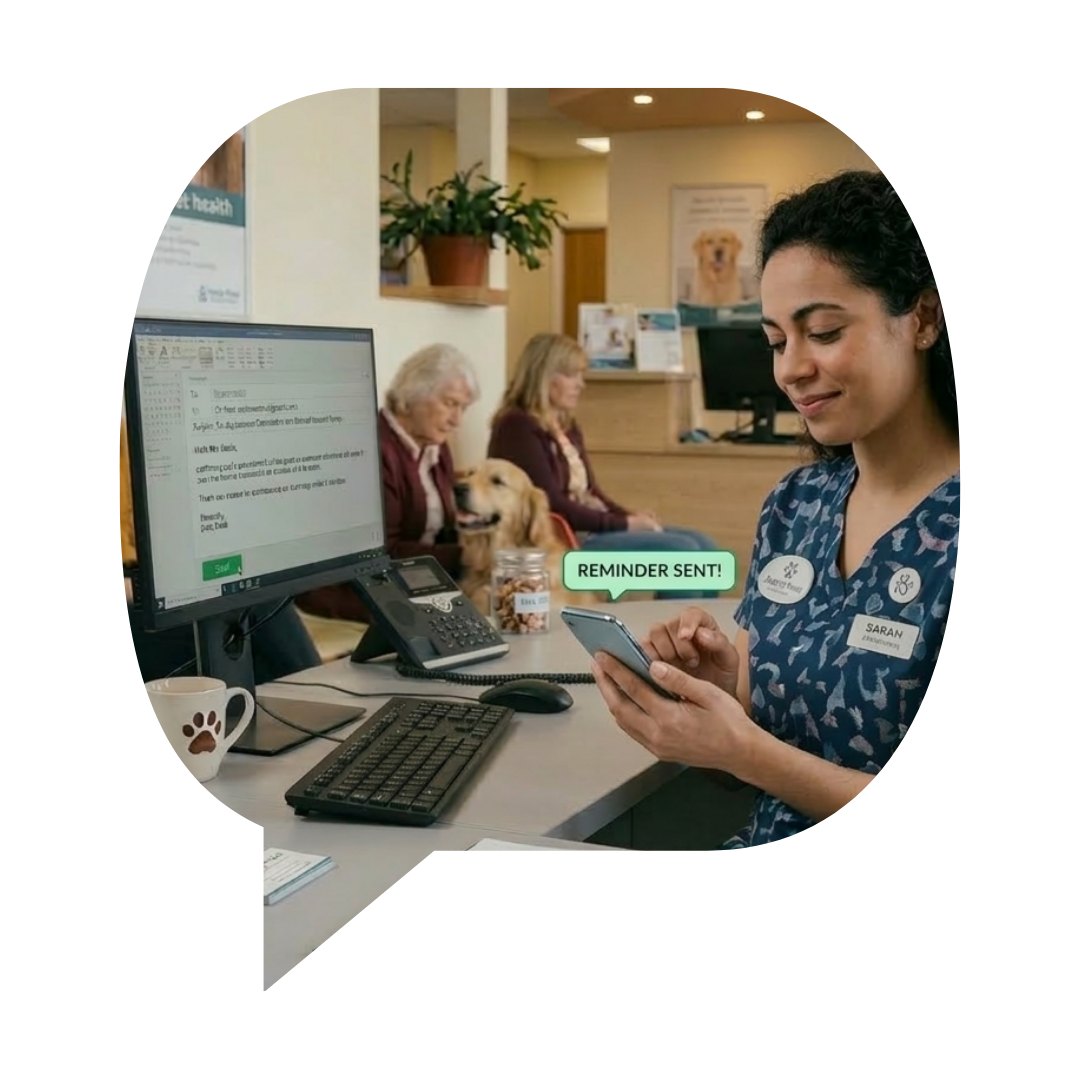
For afternoon appointments, a quick morning-of text dramatically reduces same-day no-shows. This is especially effective for clients who tend to book and forget.
Morning-of Text
| Good morning, [Client Name]! [Pet’s Name is coming in for their appointment at [Time] today at [Clinic Name]. We’re looking forward to it! Any questions? Reply here to call [Phone Number.] |
Even with the perfect reminder sequence, some clients will waver. These scripts help your team navigate common objections with empathy, not pressure.
Reassurance Script
| “That’s a really common feeling, especially if [Pet’s Name] seems fine at home! The reason we love annual wellness visits is that pets are great at hiding how they feel and our doctors can catch early signs of things that aren’t visible yet. It’s much easier (and less expensive) to address something early. Would you like to keep the appointment, or would a different time work better for you?” |
Cost Concern Script
| “We completely understand and budget is always a consideration. We’d love to have [Pet’s Name] come in and we can walk through the estimate with you upfront so there are no surprises. We also offer [payment plan / CareCredit / wellness plan] to help spread out the cost. Would that make it easier to keep the appointment?” |
Reschedule Offer Script
| “No problem at all; life gets busy! Let’s find a time that works perfectly for you. I have [Day/Time Option 1] or [Day/Time Option 2]. Which works better?” |
*KEY PRINCIPLE*
Never let “I need to cancel” end the conversation. Always follow with two specific alternatives. Clients who are given choices reschedule at a far higher rate than those who are simply told “call us when you’re ready.”
A client who misses an appointment isn’t lost, but how you respond in the next 24 hours determines whether they return. Avoid any tone of frustration or blame.
Post No-Show Outreach (Same Day or Next Morning)
| “Hi [Client Name], this is [Staff Name] from [Clinic Name]. We noticed [Pet’s Name] wasn’t able to make their appointment today; we hope everything’s okay! We’d love to get them rescheduled at a time that works better for you. Give us a call at [Phone Number] or reply to this message and we’ll take care of it.” |
Notice what this script does: it expresses genuine concern, removes judgement, and makes rescheduling effortless. That tone is the difference between a client who feels embarrassed and avoids you, and one who books again the same day.
Beyond scrips, a few structural changes can significantly reduce no-shows across your practice:
No-show reduction isn’t about chasing clients, it’s about building a communication system that keeps pets and their owners engaged, informed, and confident about their care. The scripts in this guide aren’t just about filling appointment slots. They’re about reinforcing why each visit matters and making it as easy as possible for busy pet owners to follow through.
Implement even two or three of these touchpoints consistently, and you’ll see your no-show rate drop, and your patient outcomes improve along with it.