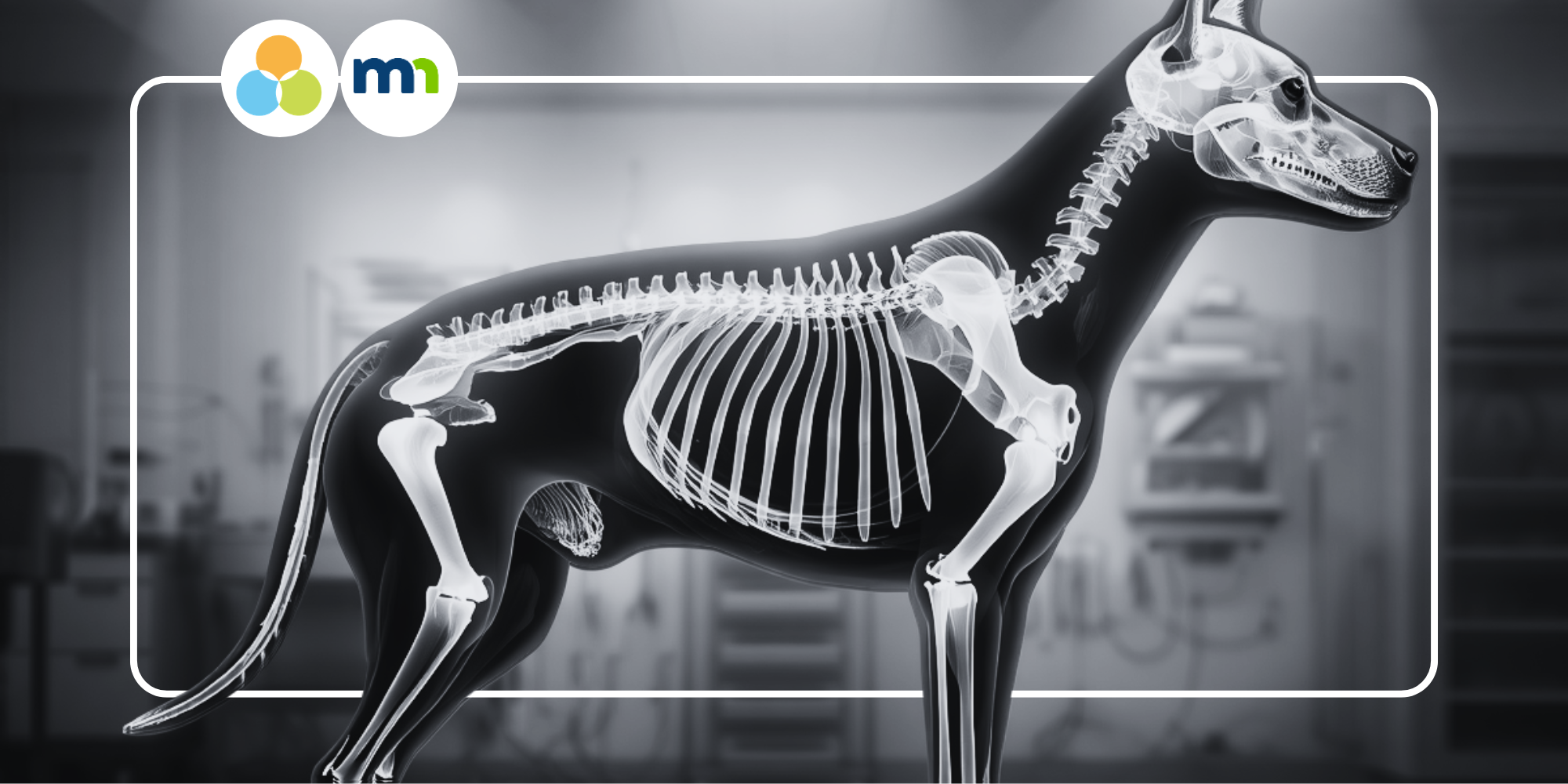



AI is having a moment in marketing, and veterinary social media is right in the middle of it. If you have started using it for your clinic’s various marketing endeavors, you are not doing anything wrong. Used well, it can genuinely take a load off your plate. Used carelessly, it can make your materials look a little off. Not in a charming way. More in a “wait, why does that dog only have one nostril” kind of way.
Here is what is actually worth your time and what is not.
Where AI Genuinely Earns Its Keep
Brainstorming when your brain has clocked out.
Staring at a blank caption box or blog page is nobody’s idea of a good time. This is honestly where AI shines brightest. Need five new angles on pet dental health? A fresh way to talk about flea and tick prevention without sounding like a broken record? It will hand you a starting list in seconds. Not all of them will be good. Some will be kind of bad. But usually one or two will spark something useful, and that is the point.
Repurposing content you already wrote.
Wrote a blog post about summer pet safety? Do not let it live and die in one place. AI can help you reshape it into social captions, an email blurb, or a few talking points for an Instagram story without starting from scratch every time. This alone can save a meaningful chunk of time each week.
Turning messy notes into something usable.
Got half a thought jotted down about an interesting case or a clinic update? Feed it to AI and let it help shape that scribble into an actual sentence. Just remember it is a starting point, not a finished post.
Spotting patterns in what performs.
If you are tracking engagement, AI can help surface things you might miss, like whether your educational posts or your goofy patient photos are the real crowd-pleasers. Knowing what your audience actually responds to is more useful than guessing.
Where AI Should Stay in Its Lane
Hitting publish without a human reading it first.
This is the big one. Left unedited, AI text has a way of sounding stiff and generic, like it was written by someone who has read a lot about veterinary clinics but has never actually been inside one. Your clinic has a voice. Your audience knows it. Always do a read-through before anything goes live.
Anything urgent or sensitive.
A recall, a community concern, breaking news. This is not the moment to let AI take the wheel. These situations require your actual judgment, and no prompt is going to replicate that.
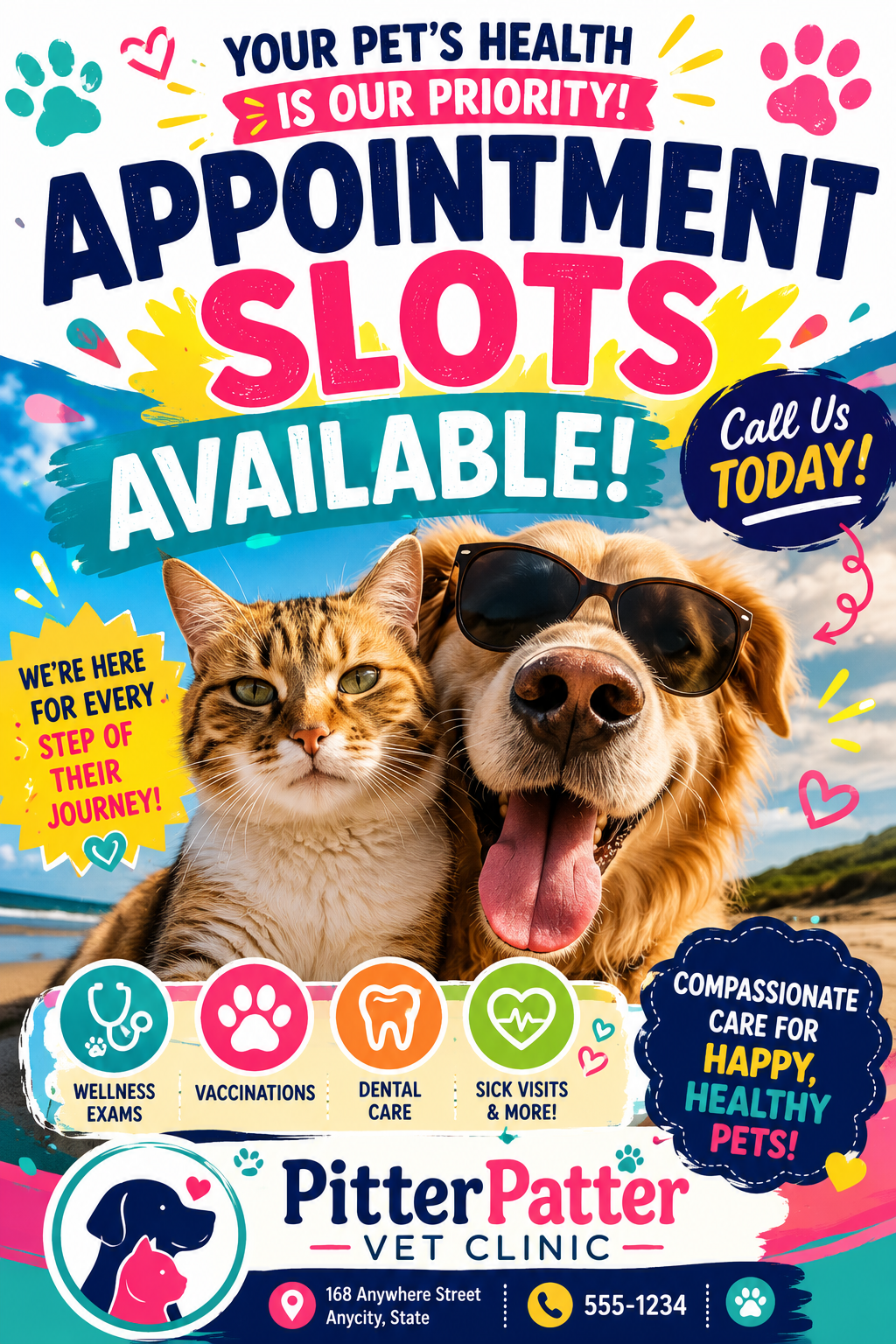
Those AI-generated flyer graphics.
We get the appeal. They look slick at first glance and put everything in one tidy image. But scroll through enough veterinary clinic pages and a pattern emerges fast. The same style, the same layout, the same vaguely-off font choices, all blurring together into a wall of content that nobody stops for. People are also getting better at clocking AI-generated graphics quickly. And once they do, the thought that follows is rarely flattering. If you are cutting corners here, what other corners are you cutting? It is not a fair assumption, but it is a real one.
AI-generated pet photos.
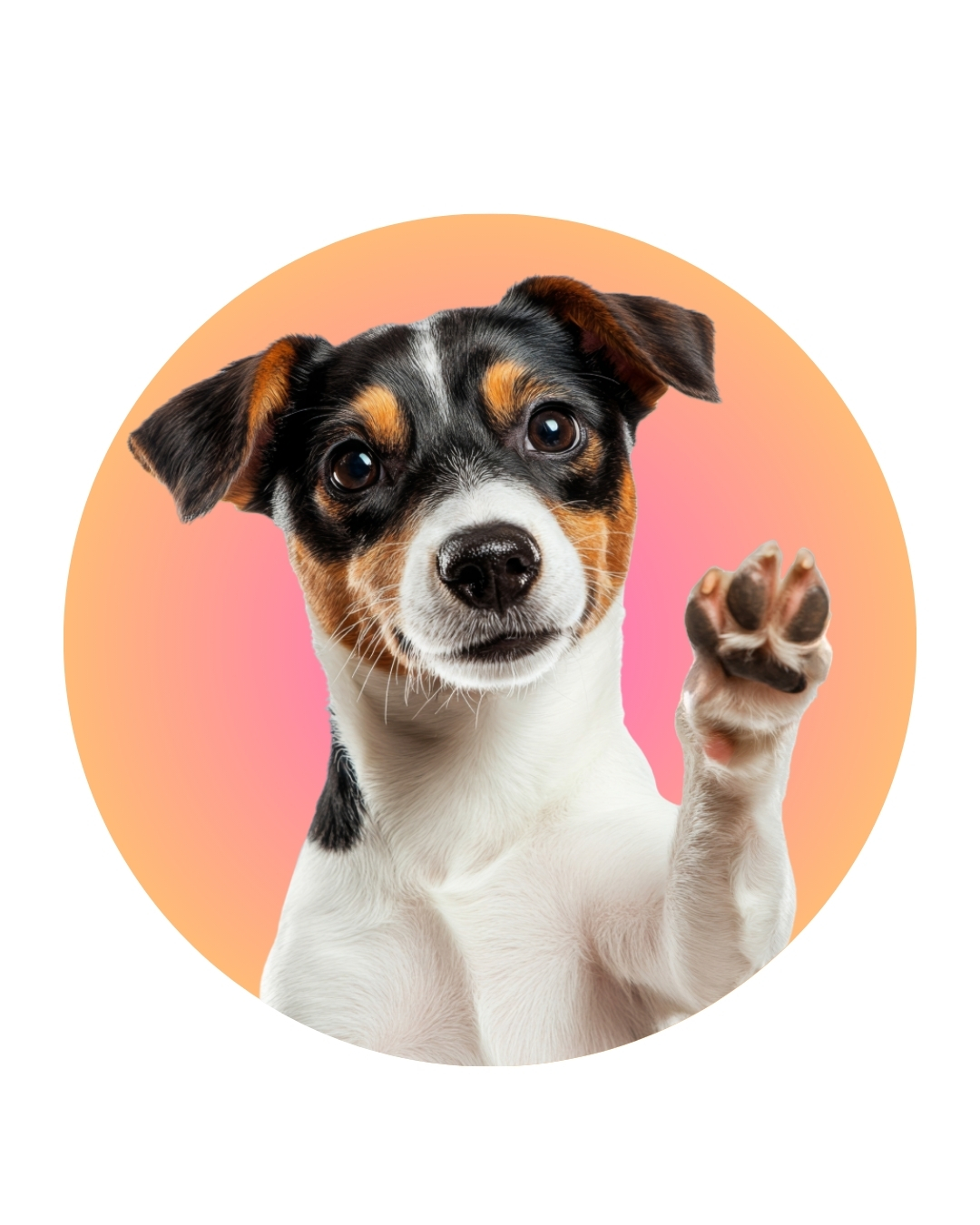
This one deserves its own warning label. AI animal images can look convincing for about three seconds. Then you notice the dog has three ears. The cat is mysteriously whisker-free. There is a paw with one too many toes (or too few…) That is the uncanny valley at work: something looks almost right but is just wrong enough to feel unsettling. For a veterinary clinic, where trust is genuinely everything, that is the last impression you want your feed making. Real photos of real patients (with owner permission) or good stock imagery will always outperform a generated image that makes people do a double take for the wrong reasons.
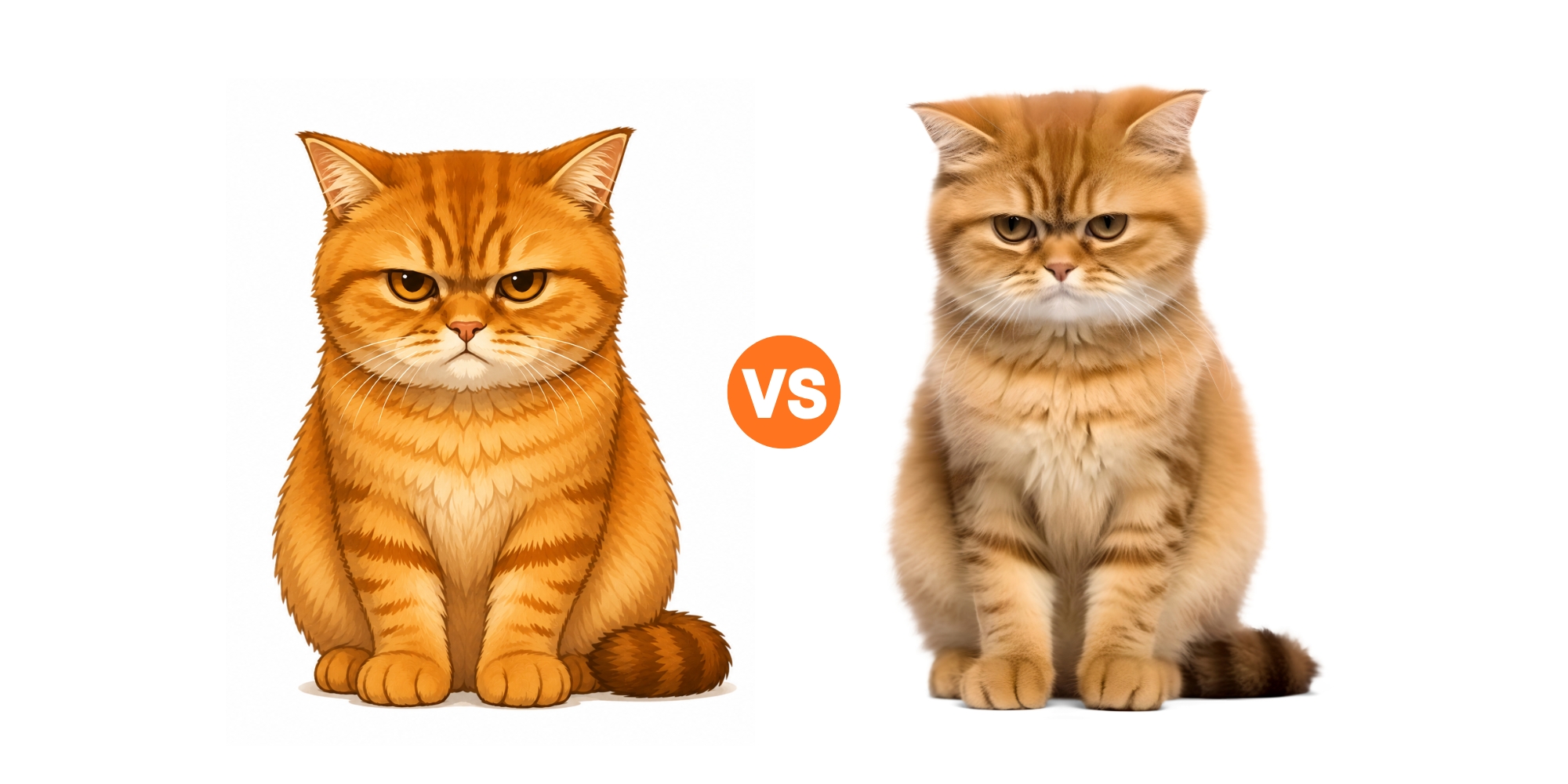
PRO TIP! Can’t find the right image in stock photos and a real patient photo isn’t an option? Instead of using a ‘realistic’ AI-generated image, ask AI to create or convert it into a cartoon style instead. A cartoon grumpy cat is charming. A realistic AI grumpy cat is… unsettling. Cartoon style sidesteps the uncanny valley completely and gives you something adorable and on-brand that is a lot harder to clock as AI-generated.
A Few Ground Rules Worth Keeping In Mind
Give AI real context to work with. Your clinic’s voice, your specific audience, your goals. The more it knows, the less generic the output. Treat everything it produces as a rough draft, not a finished post, and always have a human do the final read before it goes live. For any photo or graphic, ask yourself whether it would hold up to a second look. If there is any doubt, skip it.
AI can be a genuinely useful tool. The trick is using it to support your clinic’s voice, not replace it. Your clients trust you with the animals they love most. That trust should carry through to everything they see when they scroll past your page.
Need real marketing help from a real person?
VHA’s Marketing Specialists Laura and Liz are here to help. From human-designed websites to human-written blogs like this one, and everything in between, we have got you covered. Reach out anytime at [email protected] and let’s talk about what your clinic needs!